.png)

World Toilet Day: Safe Toilets, Equal Futures – Why is Sanitation a Women's Equality Issue?
Though India has made significant progress in sanitation, access to clean, safe, and functional toilets remains disproportionately limited for women. How does this impact gender equality and women's participation in the workforce, and what should be the next steps to ensure safety and hygiene for women?

She walked out of her marital home because it had no toilet. Her story made people listen. But have we listened enough?
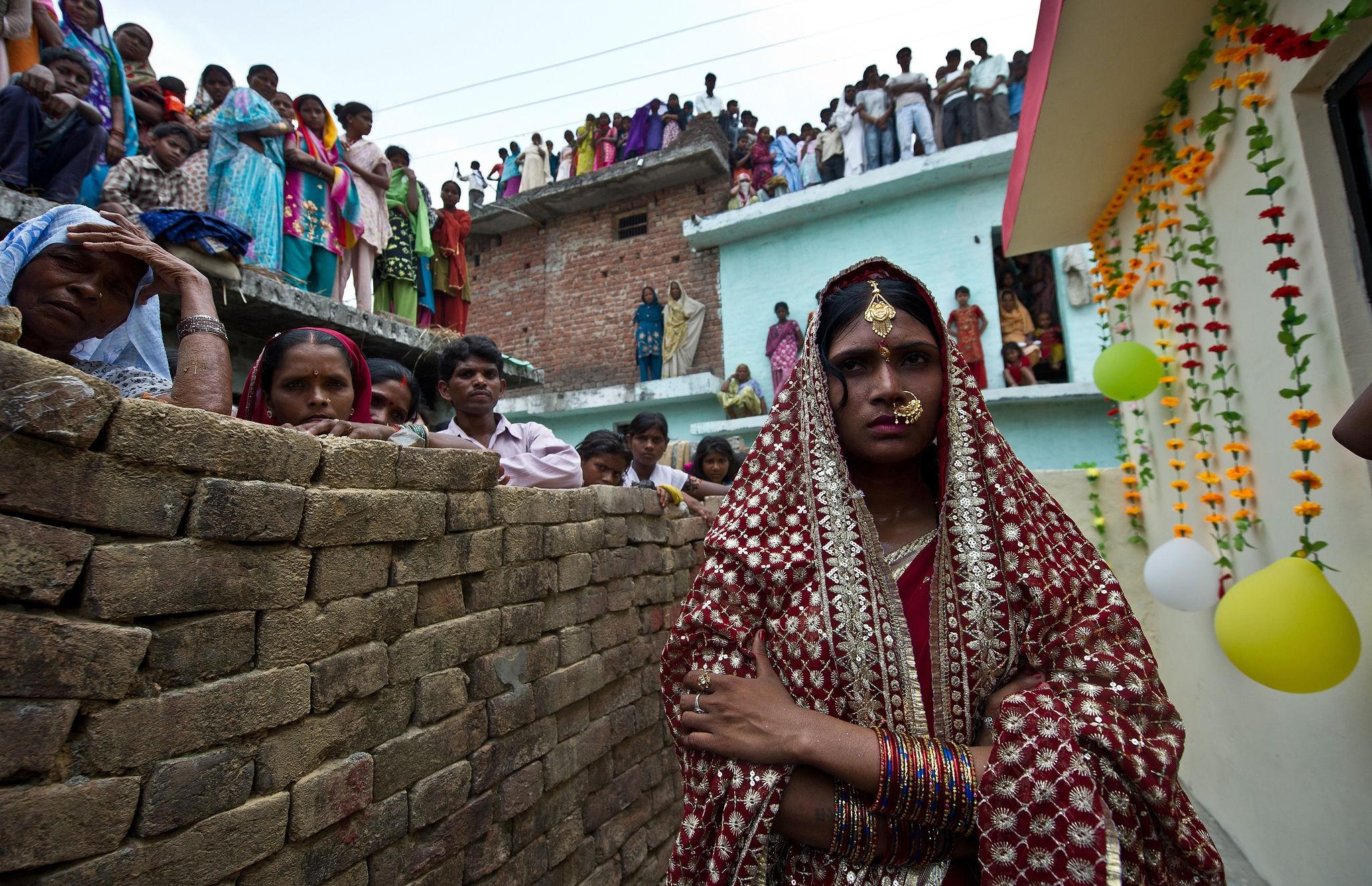
In 2012, 19-year-old Priyanka Bharti did something that challenged a deeply entrenched social norm. Just two days after her wedding, she returned to her parental home. The reason? Her husband's house had no toilet, and she was expected to relieve herself in the open.
She refused to accept this as a normal part of married life. Her condition was simple: she would return only when a toilet was built in her marital home. Her husband eventually undertook the effort to get one constructed.
Priyanka's story became one of the real-life accounts associated with the 2017 Bollywood film Toilet: Ek Prem Katha, which starred Akshay Kumar and Bhumi Pednekar and brought the issue of sanitation and women's dignity into mainstream conversation.
But nearly a decade after the film, an important question remains: How much has really changed for women in India?
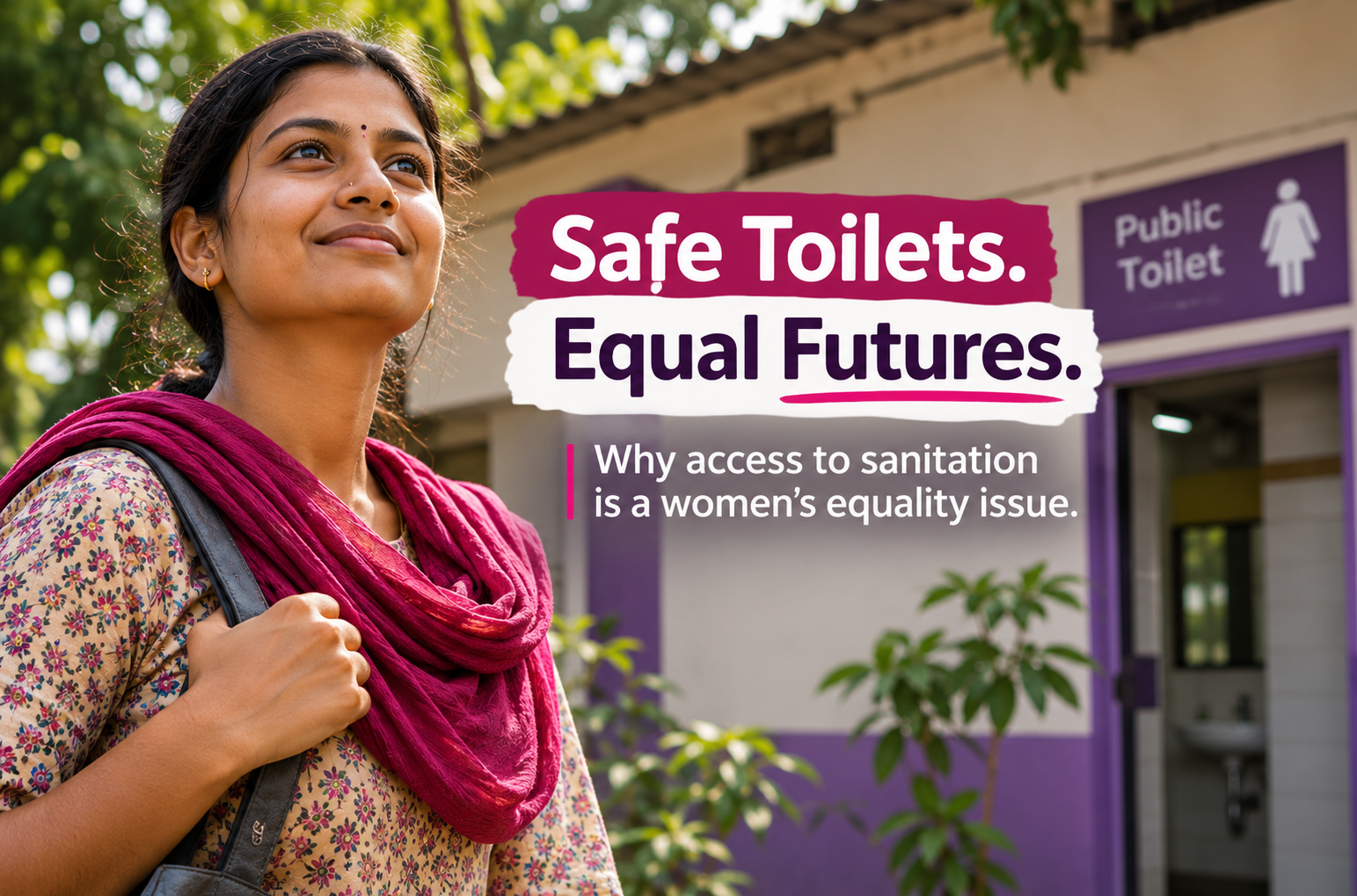
This World Toilet Day, 2026, observed on November 19, the theme is Safe toilets, Equal futures.
The theme draws attention to an issue that often gets overlooked in conversations about gender equality: access to safe, clean, and functional sanitation. This is despite the claims that India has made significant progress in sanitation in tha last 10 years.
India's Sanitation Progress: An Important Milestone
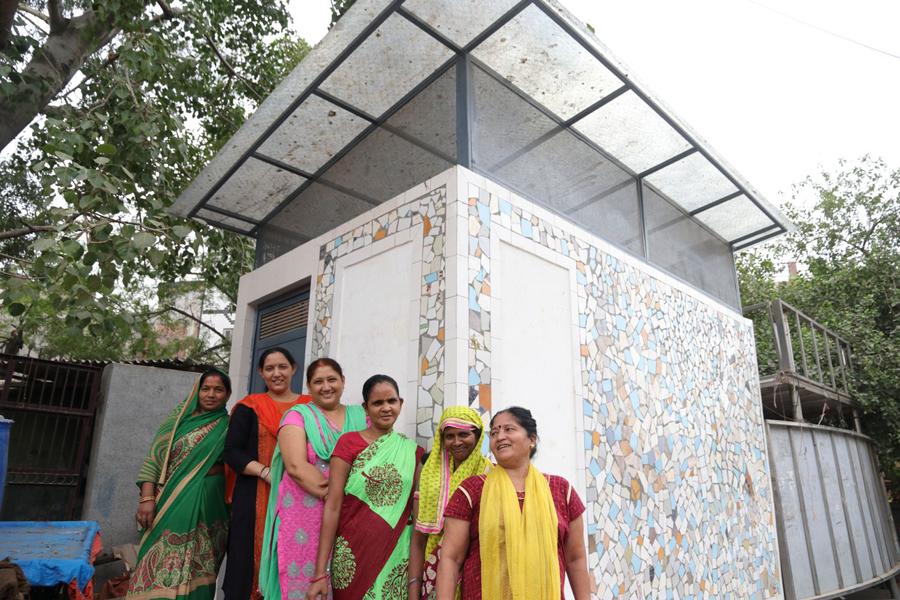
The Swachh Bharat Mission, launched in 2014, was a landmark initiative that accelerated the construction of individual household toilets through financial subsidies. More than 100 million household toilets had been built through the initiative.
This has been an important public health intervention, improving sanitation access for millions of households and contributing to efforts to reduce open defecation.
The Bill & Melinda Gates Foundation has also contributed to India's sanitation efforts through research, innovation and partnerships.
A study undertaken by UNICEF, with support from the Foundation, examined the impact of the Swachh Bharat Mission (Grameen) on women's convenience, safety and self-respect.
Surveying 6,993 women across five states, the study reported encouraging findings:
- 93% of women felt safer from assault because they no longer had to go out in the open to defecate.
- 91% saved up to an hour every day that was previously spent walking to defecation sites.
- 88% felt proud to own a toilet.
These findings demonstrate how access to household sanitation can make a measurable difference to women's everyday lives.
However, increased access at the population level does not necessarily mean that everyone has benefited equally. Vulnerable communities, including women, girls, poorer households and older people, continue to face barriers.
The Inequality Paradox: When the progress leaves the unprivileged behind
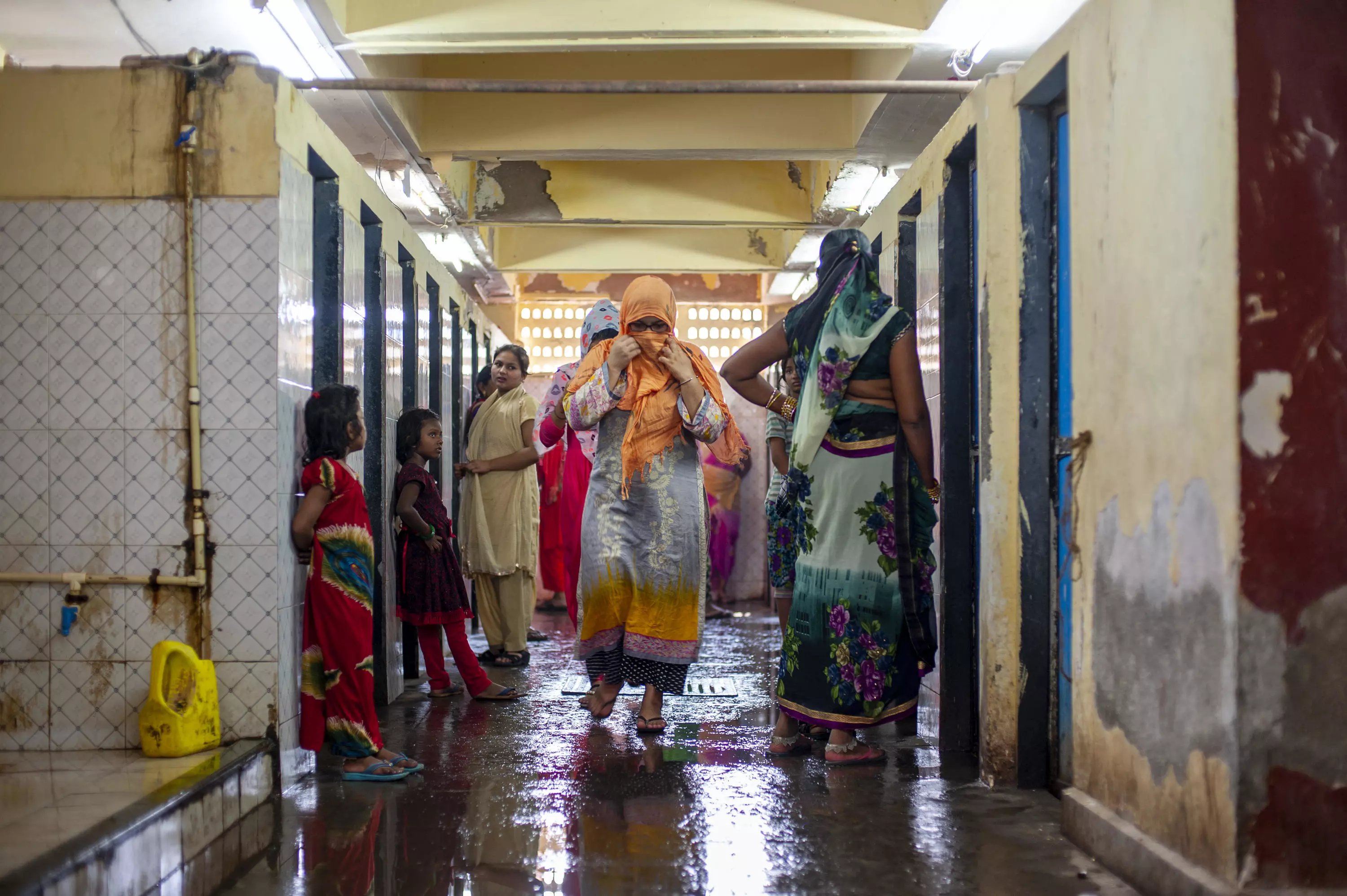
Image source: Improving the user experience: a powerful lever to improve sanitation practices in low-income communities
A 2026 research paper published in Scientific Reports, titled An Exploratory Study on Shared Sanitation and Equity in Peri-Urban India, by Helen O. Pitchik, Anoop Jain, Michaela Kupfer, Manoj Parida, Prabin Ghimire and Isha Ray, examines this issue.
The researchers explain that public health interventions can improve average outcomes across a population while leaving particularly vulnerable groups behind.
In some cases, overall progress can actually deepen the relative disadvantage of those who are unable to benefit from the intervention - the inequality paradox.
The researchers apply this concept to the Swachh Bharat Mission. Although the programme has substantially improved household sanitation access, not every household has been able to take advantage of the subsidies.
Consider some of the barriers.
The subsidy model requires households to make an initial investment in toilet construction. Not every family can afford this upfront expense.
Millions of people living in densely populated urban settlements and rural areas may not have sufficient space within their homes or compounds to construct individual toilets.
For poorer households, the additional costs of maintaining and periodic pit emptying can also become a deterrent.
Even where household toilets exist, they may not adequately meet women's sanitation needs. Broken doors, inadequate privacy, bad odours, and poor maintenance can make these facilities difficult or uncomfortable to use. The research makes a significant point: population-level improvements do not automatically translate into equitable access for everyone.
Having a Toilet at Home Does Not Guarantee Access Outside
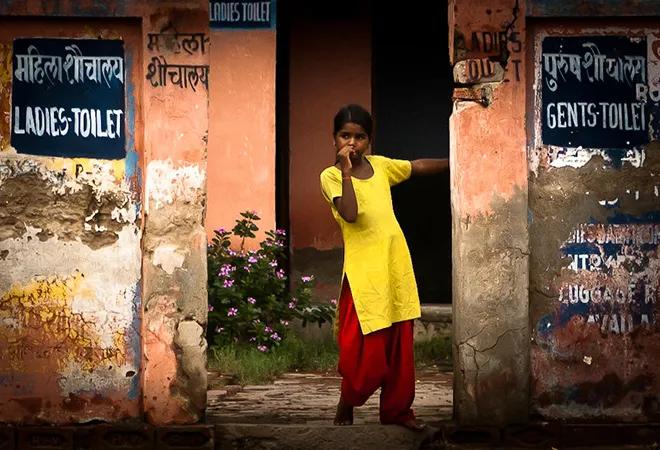
The research also highlights another dimension of sanitation that deserves greater attention: access to toilets outside the home.
The researchers conducted an exploratory study in two peri-urban communities in Bokaro district, Jharkhand. They interviewed 39 users of shared sanitation facilities, including 32 adults and seven adolescents.
The study examined sanitation needs both within the home and outside it, including the experiences of people with different levels of household toilet access.
Some participants had fully functional household toilets, while others had low-quality facilities or no household toilet at all. Their experiences revealed that even people who owned toilets at home often relied on shared community facilities.
The reasons included better cleanliness, water availability, privacy, and maintenance. However, when people stepped outside their homes, access to suitable toilets was often limited.
Participants described having to hold back the urge to urinate or defecate, restrict their food or water intake, or use unhygienic facilities when no suitable alternative was available.
For women, the absence of gender-separated facilities, lockable doors, adequate lighting, running water, and menstrual hygiene provisions creates additional concerns around privacy and safety.
One woman working in a plant described her experience of having to use a common bathroom that was not separately provided for men and women:
"Bathroom in plant is not made separately for ladies and gents. It doesn't feel good. But we have to use it."
Another woman explained that because there was no public toilet at the market, she had to hurry through her shopping and return home.
These accounts illustrate how inadequate sanitation can restrict women's movement and participation in everyday activities.
The problem is not simply the absence of a toilet. It is the absence of one that is accessible, safe, clean, and usable when it is needed.
Public Toilets and the Everyday Challenges Women Face
The challenges are not limited to rural or peri-urban communities. Women in urban India also experience significant gaps in public sanitation.
An ActionAid India study (2016) of public toilets in Delhi found that 35% of the 229 toilets surveyed did not have separate facilities for women. Among the women's toilets audited,
more than 66% women’s toilets did not have a working flush, while 53% did not have a running water facility and over 51% did not have a facility to wash hands. About 61% of toilets did not have soap to use, which raises a concern regarding the quality of public sanitation available for women.
It was also found that 28% of toilets did not have doors, while 45% of toilets did not have a mechanism to lock from inside. Over half of them did not have lights, neither inside the toilet nor in the outer premises. What adds to safety concerns is that 46% of toilets are unguarded – a condition that shows a lack of basic security provisions in the women’s public toilets.
A 2024 study titled Understanding Safety and Mobility Experiences of Women Working in Public Spaces in Chennai, conducted by Sujatha Srinivasan of Krea University and Meera Sundararajan of the Gender and Policy Lab, examined the experiences of 491 women.
The findings were revealing:
- 78% reported dissatisfaction with the availability and quality of sanitation facilities in public spaces.
- 374 women said they could not wash or change in private during their menstrual period.
- 21 women reported taking leave during their last menstrual period.
The study also found that women working night shifts faced difficulties because public restrooms were inaccessible during night hours.
These findings highlight how inadequate public sanitation can affect women's mobility, working conditions, and participation in the workforce.
When women have to plan their travel, work schedules, or daily activities around the availability of a toilet, access to sanitation becomes more than an infrastructure concern. It becomes an issue of equal participation.
Interestingly, the study also offers insights into what works. Shared sanitation facilities in the two Jharkhand communities that were free to use, regularly cleaned, and staffed were examined. They had running water, electricity, lighting, separate facilities for men and women, and lockable doors. Women particularly valued the privacy, cleanliness, and security these facilities provided.
One 18-year-old participant appreciated the lockable doors because they ensured that no one could forcibly enter while she was using the toilet. It was found that well-maintained shared facilities were used not only by people who did not have household toilets but also by those who already had them.
Adding to the paradox, shared sanitation facilities should complement household toilets, not replace them.
Clean, safe, accessible and affordable community toilets can play an important role in reducing inequalities in sanitation access, particularly among vulnerable populations.
(The study is exploratory and limited to two communities, so its findings cannot be generalised to the entire country. However, it provides valuable insight into the conditions under which shared sanitation can work and why it deserves greater attention in sanitation planning.)
What Needs to Change?
India's sanitation efforts have made a meaningful difference. The next challenge is to ensure that these benefits reach those who really need them - women, the elderly, the poor, and underprivileged.
This requires looking beyond the number of household toilets constructed.
We need to consider whether facilities are functional, whether households can afford to maintain them, and whether people have access to adequate sanitation outside their homes.
Public and community toilets need to be available at workplaces, factories, schools, markets, highways, and transport hubs.
They must offer:
- Regular cleaning and proper maintenance.
- Running water and handwashing facilities.
- Adequate lighting and lockable doors.
- Separate facilities for women.
- Provisions for menstrual hygiene and safe disposal.
- Affordable access for low-income communities.
- Accessibility for older people and persons with disabilities.
Equally important is involving women in sanitation planning, facility design, and management. Their experiences and needs must inform the infrastructure being created. A facility that exists on paper but cannot be safely or comfortably used does not provide meaningful access.
Safe Toilets. Equal Futures.
Priyanka Bharti's story brought attention to a woman's right to something as basic as a toilet within her own home.
Today, our conversation needs to go further.
Sanitation is not merely an infrastructure target. It is an essential condition for health, safety, dignity, and equal participation in society.
At THEWOOMAG, we believe women's empowerment must also address the everyday realities that shape women's lives.
India has made progress. The challenge now is to make that progress more inclusive.
Safe toilets are not a luxury. They are a matter of dignity, equality, and freedom.

RELATED ARTICLES



MOST POPULAR



Advertisement

ABOUT THE AUTHOR
Himanshi Lydia Singh
Believer, mother, creative thinker, blogger and a compulsive entrepreneur, i love, live & write with passion.
I-221, 4th Floor, Hilton Drive Avenue, Sec-50, Gurgaon, 122018, Haryana
info@thewoomag.com
+91-8586970572